A reference, not a retailer
Birthstones and zodiac stones, every system compared
Ask what your birthstone is and almost any site will hand you one confident word. That word depends on which of 6 different systems you asked — 4 monthly lists and 2 zodiac lists, set by different trade bodies and authors in different decades — and they frequently disagree with each other. This site shows all of them, side by side, with the source and date behind each one, rather than quietly picking a favorite.
It's a reference, not a shop: 48 gemstones documented with real gemmological data (hardness, color family, species), every monthly and zodiac system compared month by month and sign by sign, and a lookup tool that runs the comparison for any birth date you enter.
Two zodiac systems, twelve signs
The traditional tropical zodiac and the modern jewelry-trade convention are the two zodiac-birthstone systems in active use, and right now, they don't agree on a single one — pulled live from the same sourced data as the full comparison, not retyped by hand. Select a sign to see both stones explained.
| Sign | Traditional tropical zodiac | Modern jewelry-trade zodiac |
|---|---|---|
| Aries | Bloodstone | Diamond |
| Taurus | Sapphire | Emerald |
| Gemini | Agate | Pearl |
| Cancer | Emerald | Ruby |
| Leo | Onyx | Peridot |
| Virgo | Carnelian | Sapphire |
| Libra | Chrysolite | Opal |
| Scorpio | Beryl | Topaz |
| Sagittarius | Topaz | Tanzanite |
| Capricorn | Ruby | Garnet |
| Aquarius | Garnet | Amethyst |
| Pisces | Amethyst | Aquamarine |
Explore the reference
Four ways into the same underlying data, depending on what you're starting from — a zodiac sign, a birth month, a specific stone, or just a date.
Zodiac Birthstones
All 12 signs, compared across the 2 systems that assign a stone by zodiac sign — the traditional tropical zodiac and the modern jewelry-trade convention — sign by sign, with sources.
Birthstones
Every calendar month, compared across 4 standardized lists — from the pre-1912 historical record to the current US trade chart — so you can see exactly where they agree.
Gemstones
An A–Z reference covering 48 gemstones, with Mohs hardness, color family, and species relationships, every one of them with its own full write-up.
Birthstone Finder
Enter a birth date and see what all 6 systems say about it at once, laid out side by side instead of collapsed into one answer.
A look at the collection
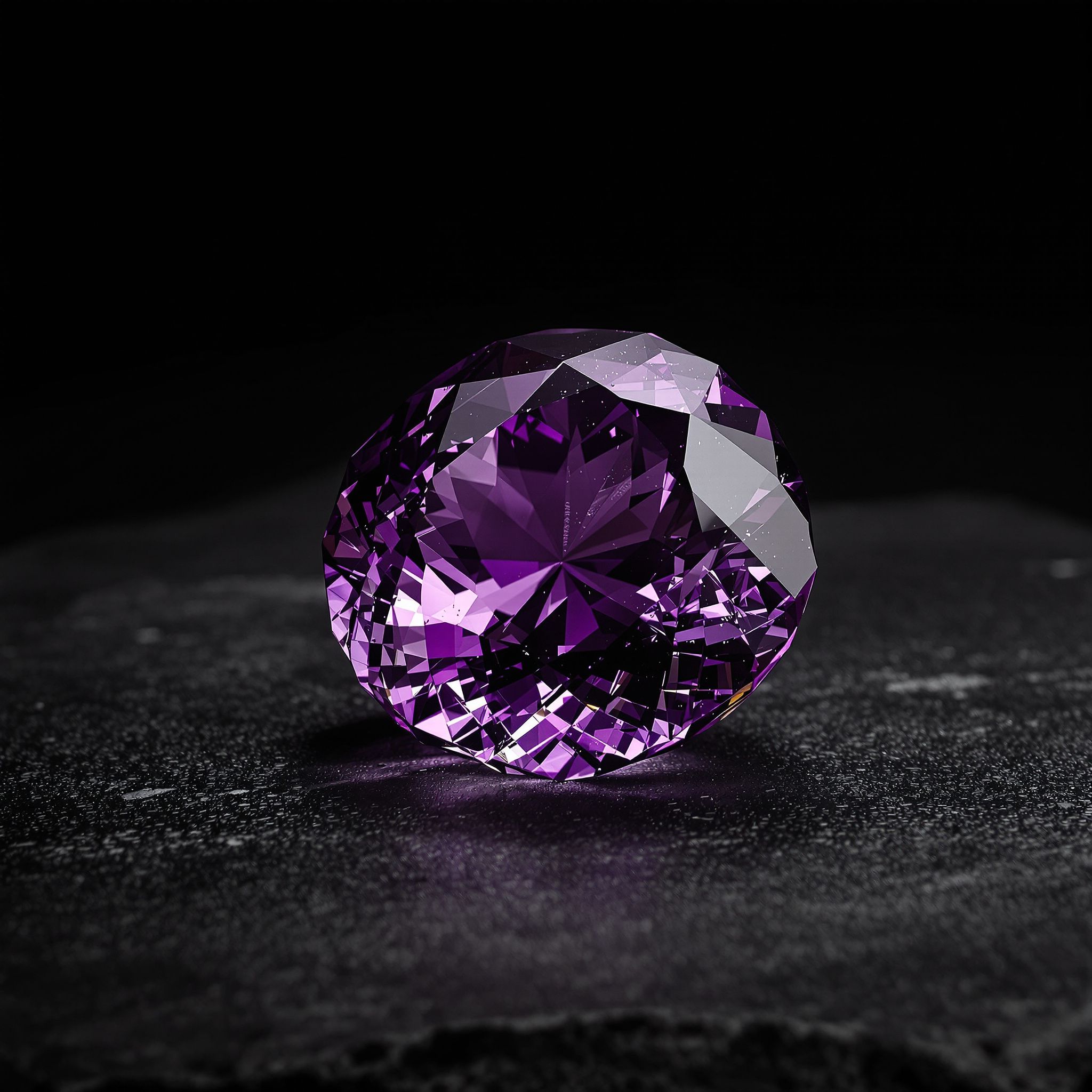
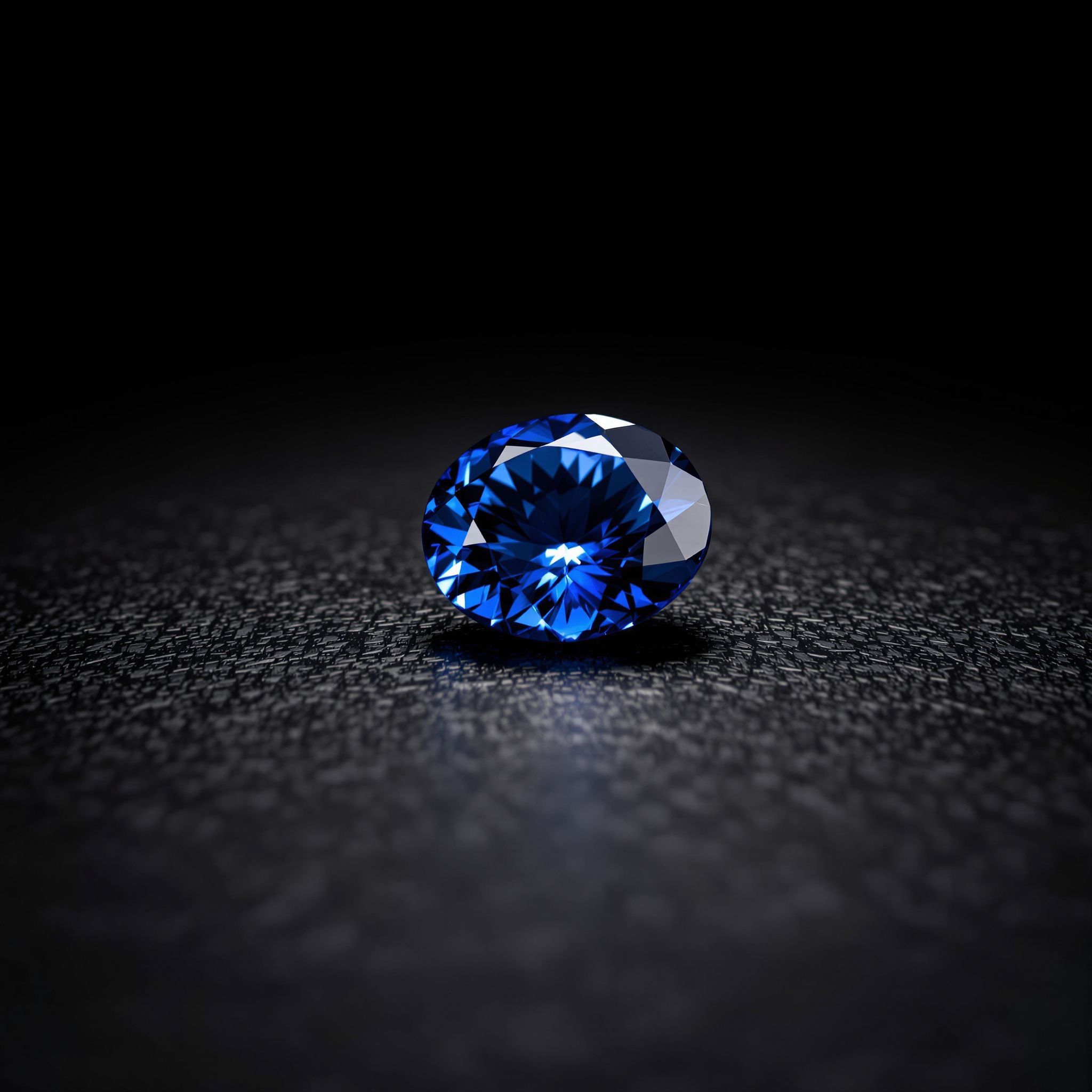
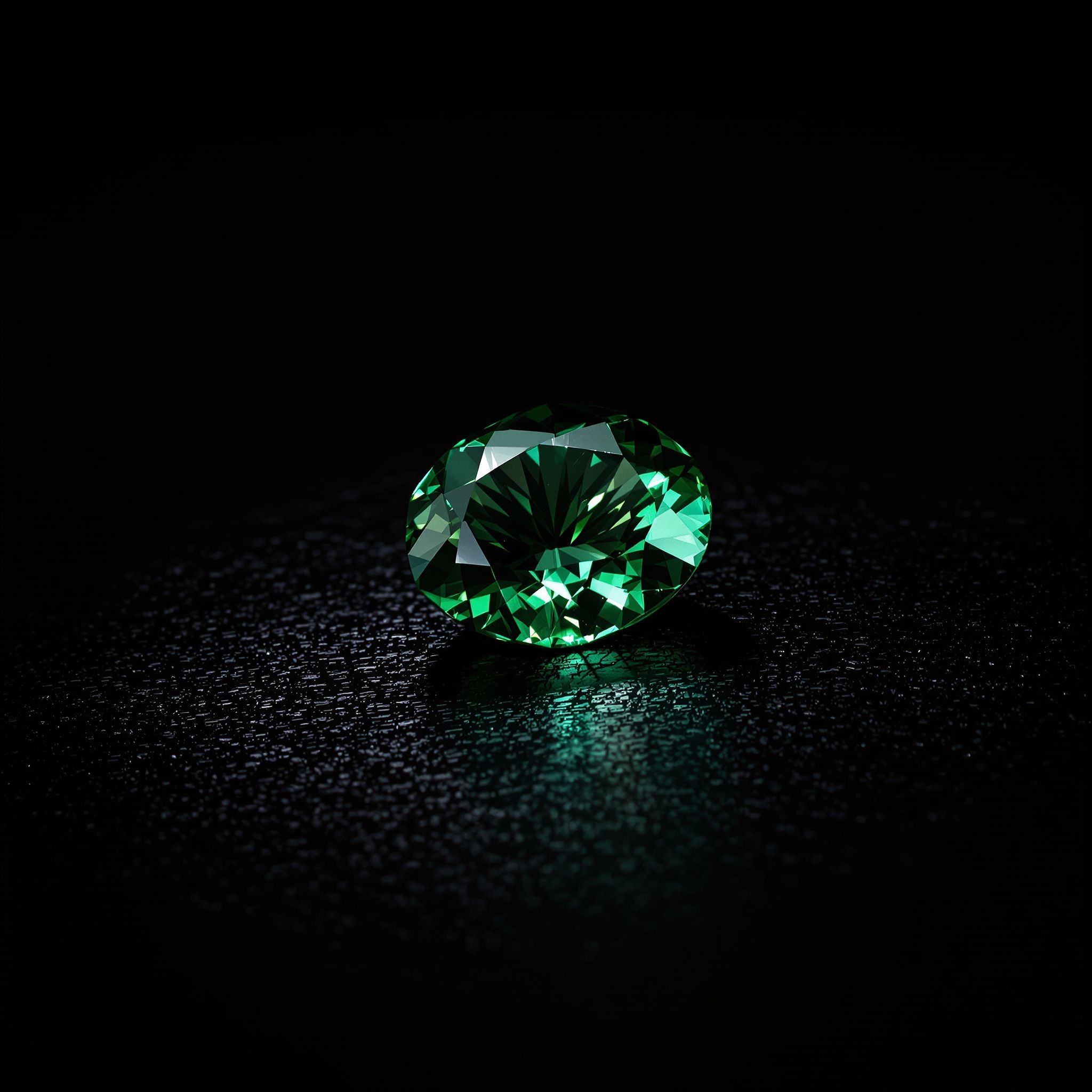
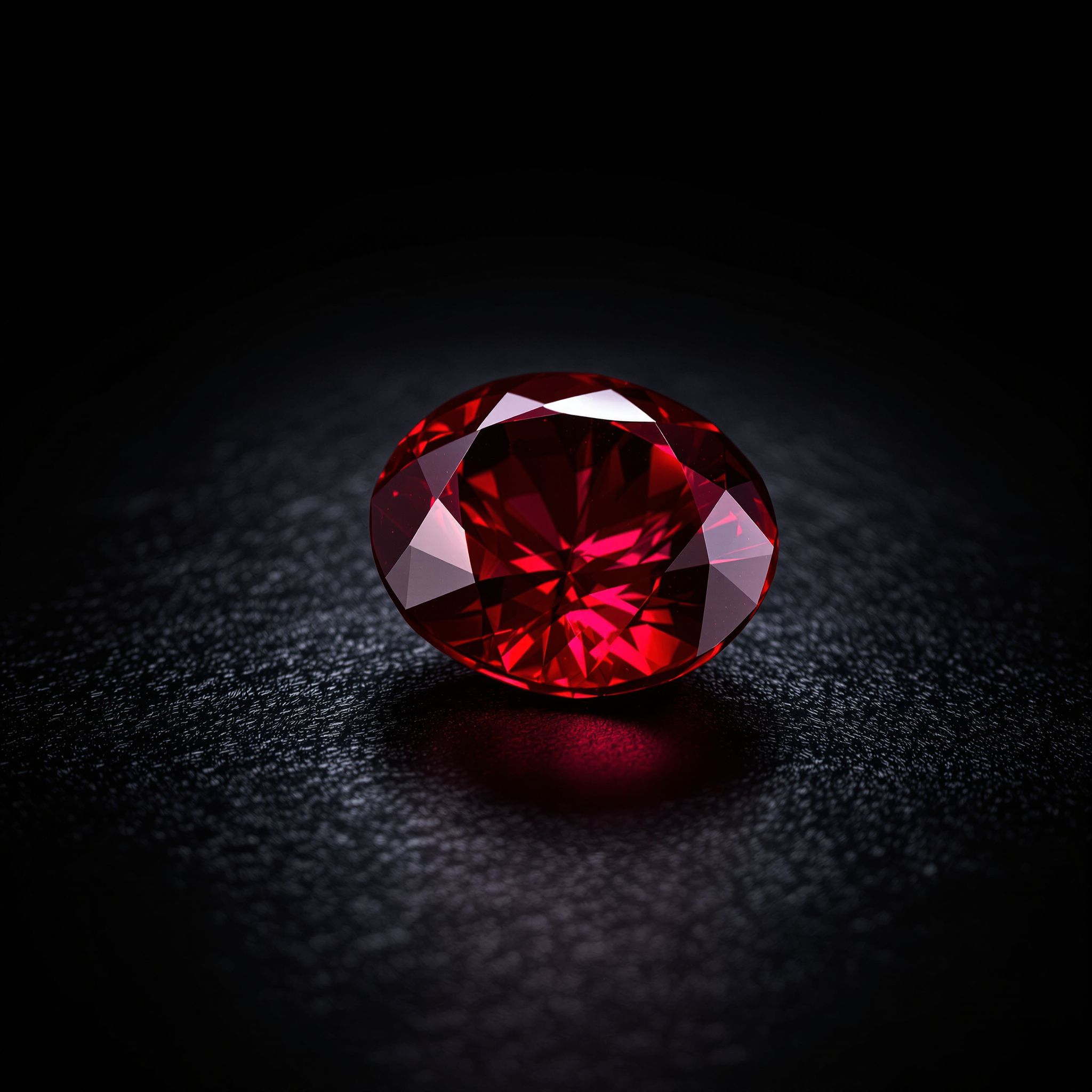
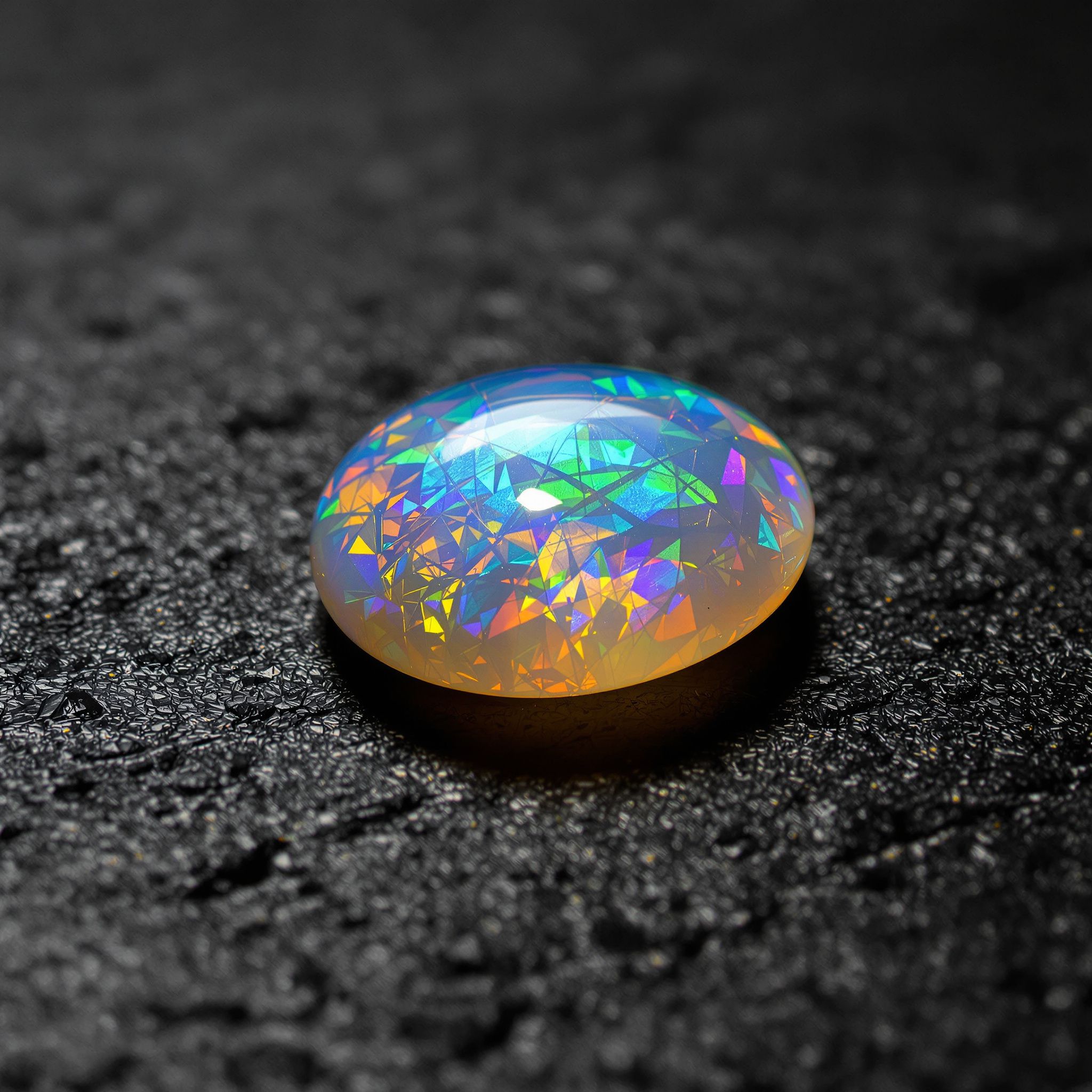
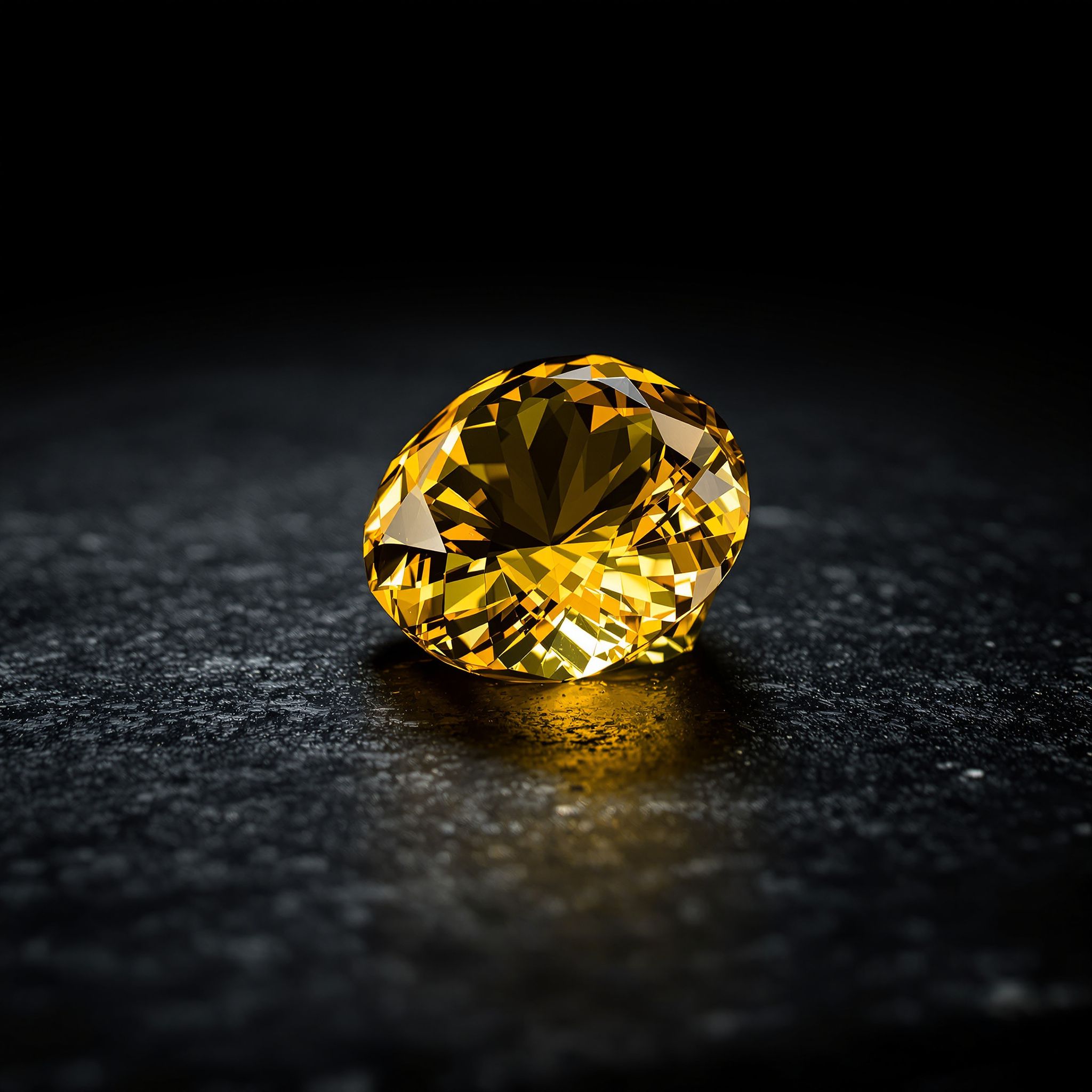
Six of the 48 stones in the catalog. Every entry carries its mineral family, its hardness, its major sources, and every list that claims it as a birthstone.
How we source this
Every stone assignment on this site traces back to a named list — a trade body, a historical record, or a specific retailer's published convention — with the year it was set or last revised, where a year exists. When two systems disagree, both are shown; none is asserted as the single correct answer, and each comparison table on this site carries its own attribution and retrieval date rather than one blanket disclaimer at the bottom of the page.