Virgo Birthstones
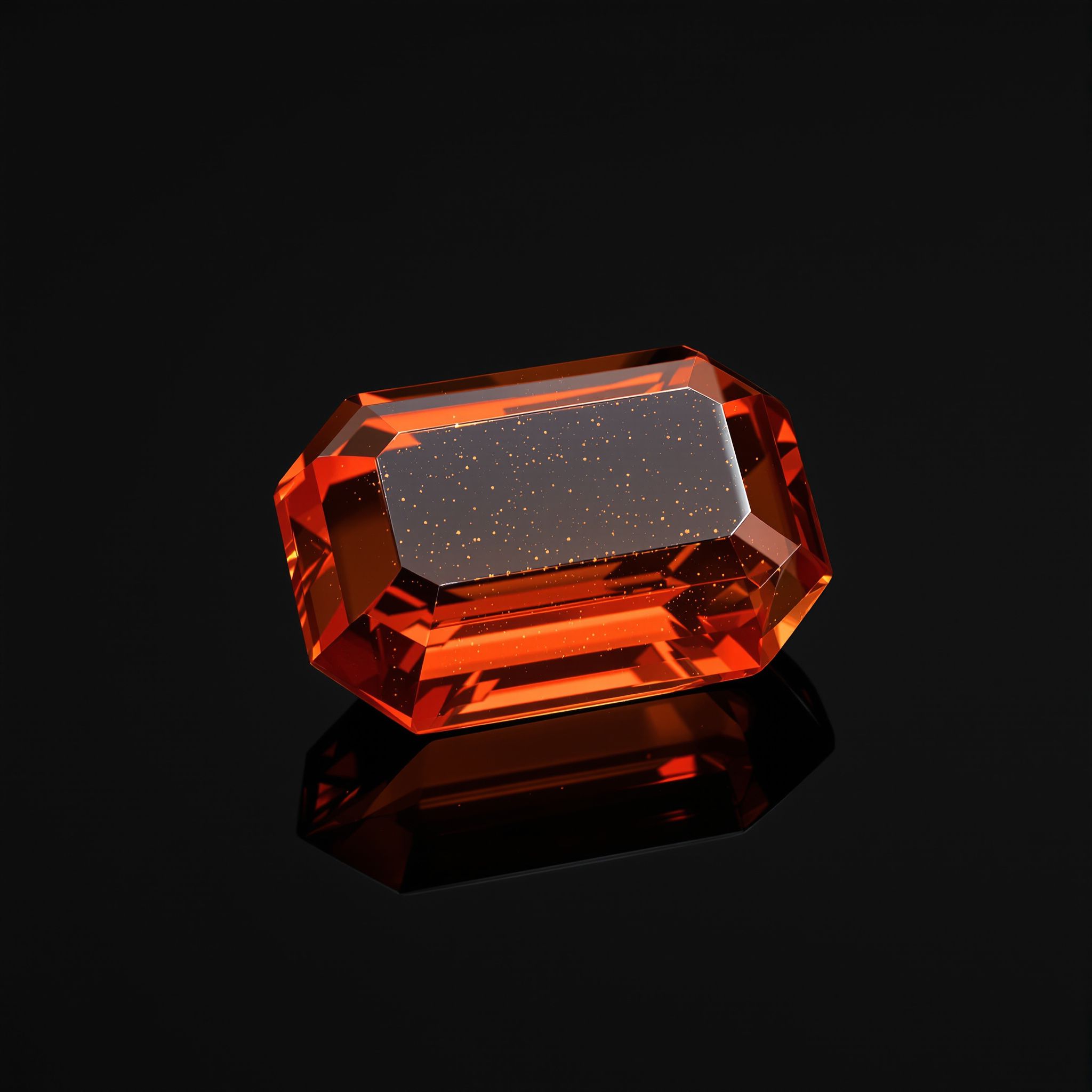
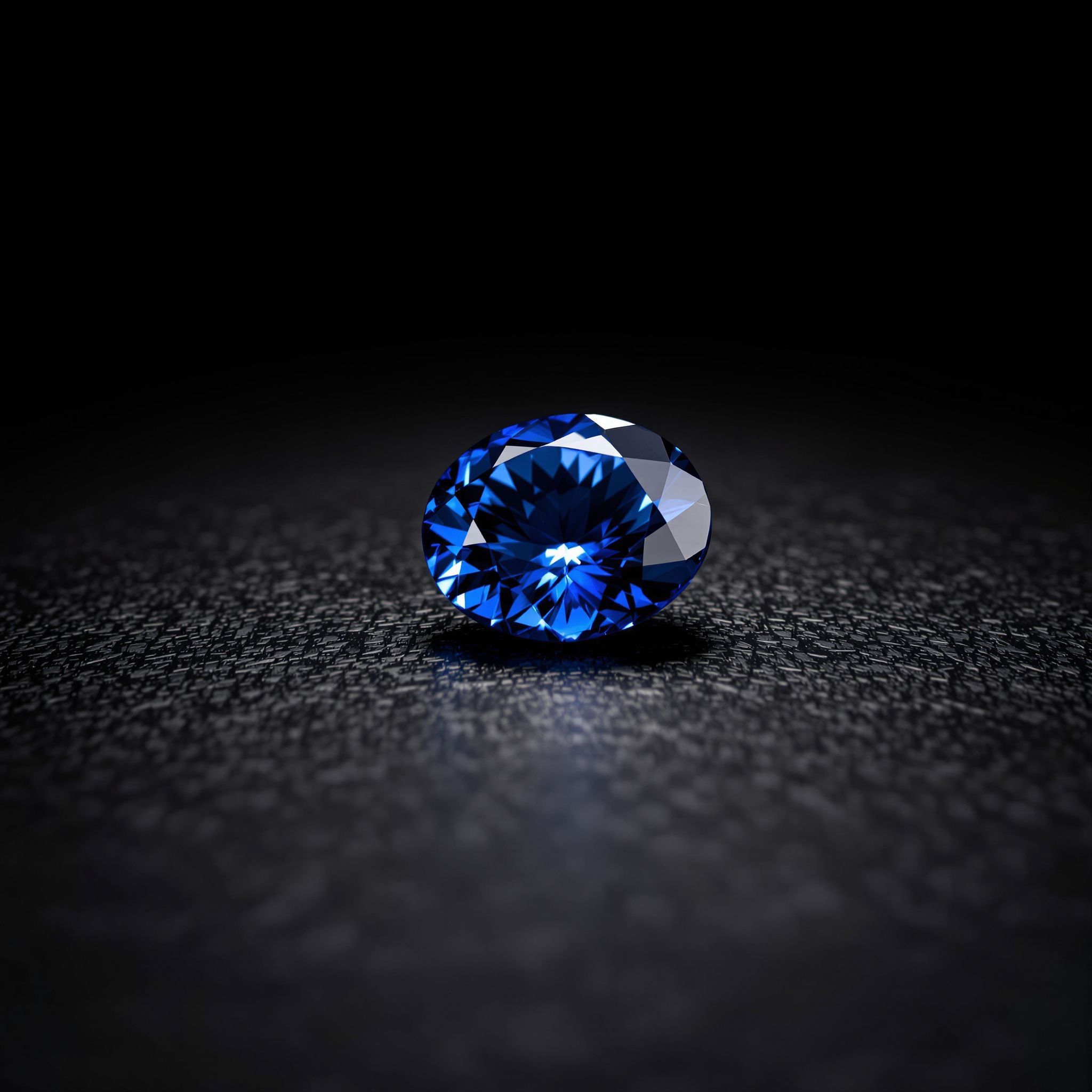
Virgo doesn't have one settled birthstone. The traditional tropical zodiac assigns Carnelian; the modern jewelry trade assigns Sapphire instead. Both are attested, dated conventions — not ancient absolutes — and the comparison and sourcing below show exactly where each one comes from.
Virgo at a glance
- Date range
- August 23 – September 22
- Element
- Earth
- Modality
- Mutable
- Ruling planet
- Mercury
- Polarity
- Negative
Virgo birthstones by system
| Sign | Traditional tropical zodiac | Modern jewelry-trade zodiac |
|---|---|---|
| Virgo | Carnelian | Sapphire |
Traditional tropical zodiac: This list derives from the historical monthly birthstone table keyed to each sign's starting month, so it inherits that table's lack of a single standardising source.
Modern jewelry-trade zodiac: This is a contemporary retail convention mapping the current monthly list onto zodiac date ranges — a 20th/21st-century commercial construct, not an ancient astrological tradition.
The stones themselves
Carnelian (traditional tropical zodiac)
Carnelian is a variety of Chalcedony. Mohs hardness: 6.5–7. Color: Orange and Red.
Sapphire (modern jewelry-trade zodiac)
Sapphire is a variety of Corundum. Mohs hardness: 9. Color: Blue and Multicolor. Sapphire refers to gem corundum in any color other than red (which is ruby); blue is the most famous, but sapphire also occurs in pink, yellow, green, purple, and colorless ("white sapphire").
Why Virgo has two different stones
Virgo begins in August. The historical August birthstone list named Sardonyx, Carnelian, Moonstone, and Topaz, and Carnelian is the entry that carried through into the traditional tropical-zodiac list for Virgo — the same stone, tied to the month the sign begins in.
The modern jewelry-trade list works differently: rather than drawing on the historical table, it draws on the current monthly birthstone table instead. Virgo ends in September, and its modern stone, Sapphire, matches the current US birthstone table for September — the month that holds most of Virgo's date range.
Western vs. Vedic: which sign are you really?
The dates above use the tropical zodiac, the system Western astrology — and this page — is built on. The sidereal zodiac used in Vedic (Jyotish) astrology runs roughly 23 days behind it, because it tracks the actual position of the constellations rather than the seasons. If you were born under tropical Virgo (August 23 – September 22), your sidereal placement is often Leo instead — especially for birthdays in the first few weeks of the range. We have not sourced Vedic birthstone assignments for Leo or any other sign, so this is a note about the sign shift only, not a birthstone recommendation.
Virgo birthstone FAQ
- What is the Virgo birthstone?
- There isn't one settled answer. The traditional tropical zodiac (August 23 – September 22) names Carnelian; the modern jewelry-trade convention names Sapphire instead. Both are sourced, dated lists — see the comparison table above.
- Why do the two zodiac birthstone lists disagree for Virgo?
- Virgo's traditional stone, Carnelian, comes from the historical August birthstone list — the month Virgo begins in. Its modern stone, Sapphire, comes from the separate current monthly birthstone table instead. The disagreement between the two zodiac lists is really the historical list diverging from the modern one; each sign inherits that divergence from its date range.
- What color is Sapphire, Virgo's modern birthstone?
- Sapphire occurs in blue and multicolor tones, with a Mohs hardness of 9.
- Is my Vedic sign the same as Virgo?
- Not necessarily. The sidereal zodiac used in Vedic astrology runs roughly 23 days behind the tropical zodiac, so a birth date in tropical Virgo often falls under sidereal Leo instead. We have not sourced Vedic birthstone assignments, so this concerns the sign only, not a stone recommendation.
- What's the difference between Virgo's traditional stone and its modern one?
- Carnelian, the traditional stone, is an orange-red chalcedony around 6.5–7 on the Mohs scale. Sapphire, the modern stone, is corundum — far harder at 9, and usually associated with blue, though it occurs in other colors too. They are unrelated minerals from different hardness classes; the two lists simply drew on different monthly traditions.
Sources
Retrieved 2026-08-10.